
Every professional studio is built around precision. Two types of speakers define that space: studio monitors and playback monitors. Though they might look similar on the surface, their purpose, sound character, and role in music production are entirely different. Understanding this difference is critical for both engineers and music enthusiasts who want to appreciate how music is shaped before it reaches their playlists.
Studio Monitors: The Unforgiving Truth-Tellers
Studio monitors are designed to be brutally honest. They deliver what’s known as a flat frequency response, meaning they avoid emphasizing bass, midrange, or treble. To an untrained ear, this can make them sound sterile or even harsh, but that neutrality is exactly what audio engineers rely on. The goal isn’t to enjoy the music—it’s to reveal flaws. Engineers use them to spot everything from subtle EQ imbalances to distortion or sibilance that could go unnoticed on consumer-grade systems.
A common saying in the studio world is, “If it sounds good on these monitors, it’ll sound good on anything.” That phrase reflects the monitors’ purpose. If a track holds up when played through such an uncompromising system, it will likely translate well across headphones, car stereos, and home audio setups.
Playback Monitors: The Real-World Reference
A playback monitor is used after the technical mixing stage. It offers a sound closer to what listeners actually hear on consumer systems—richer lows, smoother highs, and more engaging dynamics. The idea is not to analyze the music, but to evaluate it as a finished product. Engineers will switch to playback monitors to ensure their mix feels lively and enjoyable outside the lab-like environment of a control room.
Playback monitors essentially simulate “real-world” sound. If studio monitors are about scientific precision, playback monitors are about musical satisfaction. They help confirm that a mix will still resonate emotionally once it leaves the studio.
The House Curve: Bridging Technical and Musical Sound
The “house curve” is a subtle EQ adjustment that engineers apply to playback monitors or listening rooms to make sound more natural to the human ear. Instead of a completely flat response, the house curve introduces a gentle low-end rise and a smooth high-frequency roll-off. This mirrors how most listeners experience music in living rooms or vehicles, where room acoustics and speaker voicing naturally shape the sound.
Many engineers create their own custom house curves, tailored to their listening space and personal preferences. It’s part science, part art—the final step in creating a playback environment that feels musical without masking details.
Why Many Engineers Turn to the Audioengine A5+ as Their Playback Monitors
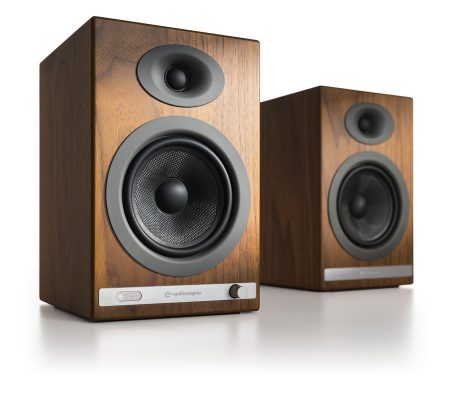
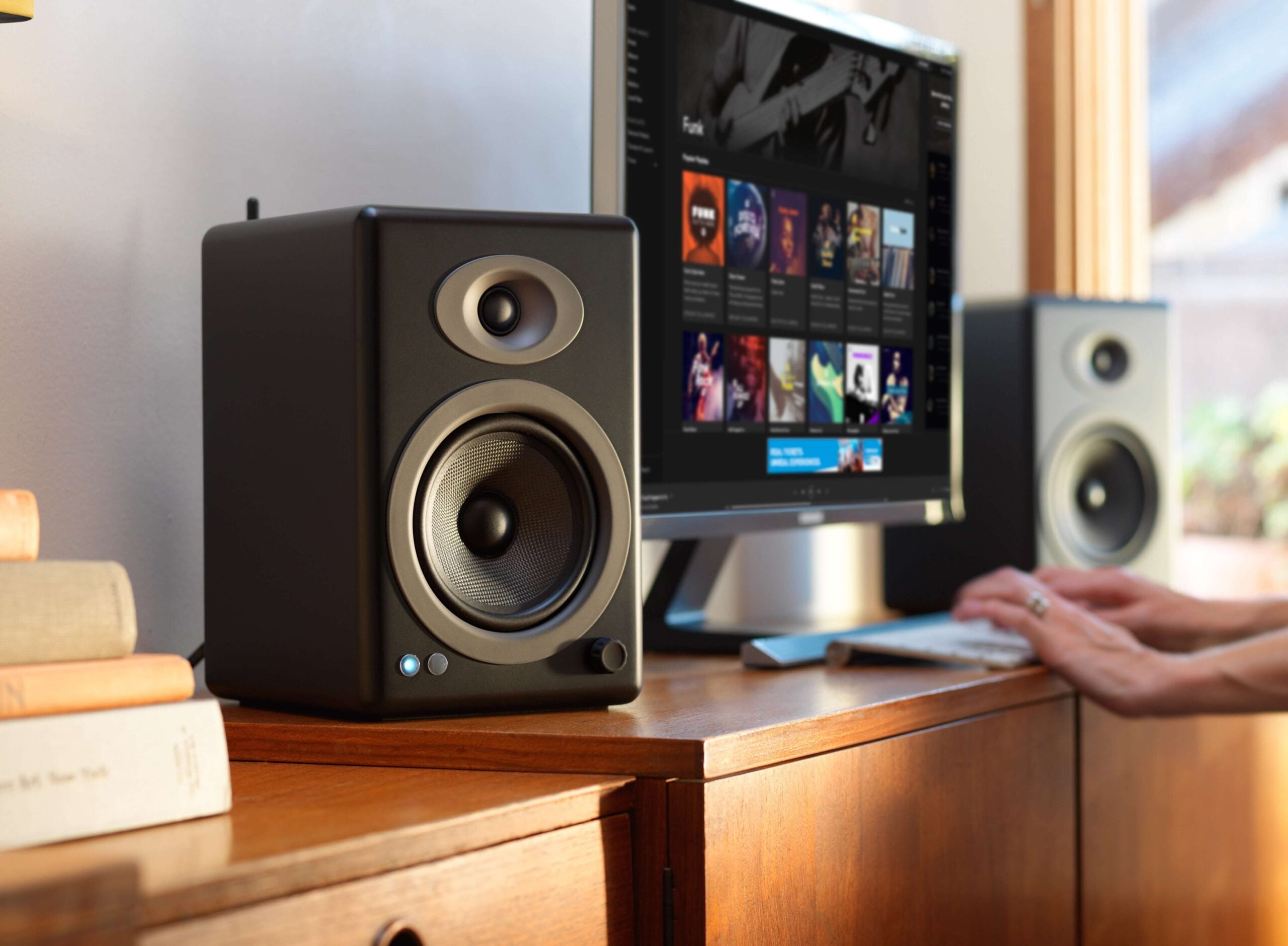
Among playback monitors, the Audioengine A5+ Home Music System has earned a loyal following in the professional community. It’s not a studio monitor, and it’s not trying to be one. The A5+ offers a warm, full-bodied sound signature that’s far more engaging than the neutral tone of reference monitors. Its clarity and balance make it ideal for evaluating a mix in a real-world context—exactly what playback monitors are meant for.
Audio professionals often pair their studio monitors with a system like the A5+ to bridge the gap between precision and pleasure. Once they’ve fine-tuned their mix on the studio monitors, they’ll switch over to the A5+ to hear how the same track translates on a hi-fi system. The result is a more complete understanding of the mix—how it feels, not just how it measures.
For artists and engineers alike, this dual-monitor approach is the key to producing music that sounds both accurate and enjoyable. The A5+ delivers that engaging, room-filling sound that makes listening not just analytical, but rewarding.

In Summary
Studio monitors are built for truth. Playback monitors are built for enjoyment. Both play vital roles in shaping the sound of every song you love. While engineers trust their studio monitors to expose every imperfection, they rely on playback monitors like the Audioengine A5+ Home Music System to ensure those same tracks come alive once they leave the studio.