
Every October, familiar songs return to our playlists. The opening notes of Michael Jackson’s “Thriller,” the unmistakable voice behind “Monster Mash,” and the eerie atmosphere of classic horror movie soundtracks have become as much a part of Halloween as pumpkins and costumes.
But Halloween music wasn’t always about dancing zombies, catchy choruses, or spooky sound effects. The history of Halloween music stretches back centuries, influenced by folklore, classical compositions, blues, rock and roll, and Hollywood horror films.
So how did music about ghosts, monsters, and things that go bump in the night become a seasonal tradition?
The Early Origins of Spooky Music
Long before Halloween playlists existed, music was used to express fear, mystery, death, and the supernatural. Halloween’s historical roots include the ancient Celtic festival of Samhain, associated with the changing seasons and beliefs about the boundary between the living and the dead. Over time, Christian traditions surrounding All Hallows’ Eve also shaped the holiday’s identity.
While these celebrations weren’t accompanied by anything resembling today’s Halloween hits, themes of mortality and the supernatural eventually found their way into musical storytelling.
Classical composers explored these subjects through dramatic melodies, unusual harmonies, and unsettling instrumentation. French composer Camille Saint-Saëns released “Danse Macabre” in 1874, depicting skeletons dancing at midnight. Its distinctive violin passages and orchestral arrangement remain recognizable examples of spooky classical music. Another favorite, Johann Sebastian Bach’s “Toccata and Fugue in D Minor,” became closely associated with horror through its use in film and popular culture.
These compositions helped establish musical techniques that filmmakers and recording artists would later use to create suspense.
How Horror Movies Changed Halloween Music
During the early 20th century, horror films introduced audiences to a new relationship between music and fear.
Classic monsters like Dracula, Frankenstein’s monster, and the Wolf Man became cultural icons, while composers developed soundtracks designed to build tension and anticipation.
Hollywood also embraced unusual instruments and recording techniques.
The theremin, an electronic instrument played without physical contact, became particularly associated with eerie science-fiction soundtracks. Its wavering tones could suggest anything from supernatural activity to visitors from another planet.
As horror films reached television audiences in the 1950s, their monsters became increasingly familiar, and sometimes even funny. This shift helped open the door for an entirely different kind of Halloween music: songs you could actually dance to.
The 1950s and 1960s: Monsters Meet Rock and Roll
The rise of rock and roll transformed Halloween music from unsettling background sounds into mainstream entertainment.
In 1956, Screamin’ Jay Hawkins released “I Put a Spell on You.” Originally conceived as a love song, its dramatic vocals and theatrical delivery gave it an unmistakably supernatural personality. Two years later, Sheb Wooley’s “The Purple People Eater” became a No. 1 hit, combining a ridiculous monster story with the playful production techniques of the era.
Then came the song that would define Halloween playlists for generations.
Released in 1962, Bobby “Boris” Pickett’s “Monster Mash” combined a Boris Karloff-inspired vocal performance, monster references, and a danceable beat. The song reached No. 1 on the Billboard Hot 100 just before Halloween.
It demonstrated that Halloween music didn’t need to be frightening. It could be funny, memorable, and something people looked forward to hearing every October.
The 1970s: Halloween Finds Its Rock Sound
By the 1970s, Halloween playlists began drawing from rock music, particularly songs exploring darker imagery and supernatural themes.
Blue Öyster Cult’s “(Don’t Fear) The Reaper,” released in 1976, brought haunting guitar melodies and lyrics about mortality into mainstream rock. Warren Zevon followed with “Werewolves of London” in 1978, blending dark humor with a piano-driven rock arrangement and one of the decade’s most recognizable choruses.
Neither song was originally intended as a Halloween anthem, yet both became seasonal favorites.
Meanwhile, John Carpenter’s minimalist theme for the 1978 film Halloween showed how a simple, repeating piano melody could create extraordinary tension.
The 1980s: Thriller Changes Everything
Few songs have influenced Halloween music more than Michael Jackson’s “Thriller.”
Released on Jackson’s 1982 album, the song combined funk, pop, theatrical sound effects, and a spoken performance by horror legend Vincent Price. Its groundbreaking 1983 music video, directed by John Landis, brought zombies, elaborate costumes, and memorable choreography to television screens worldwide. The result was something bigger than a hit song. “Thriller” became an annual Halloween event.
Ray Parker Jr.’s “Ghostbusters” followed in 1984, proving that a catchy movie theme could become a Halloween favorite in its own right.
Halloween Music Today: A Playlist for Every Generation
Today’s Halloween playlists reach far beyond traditional novelty songs.
Listeners mix classics like “Monster Mash” and “Thriller” with alternative rock, gothic music, movie soundtracks, and contemporary pop.
Songs like Rockwell’s “Somebody’s Watching Me,” Rihanna’s “Disturbia,” and Billie Eilish’s “bury a friend” have found places on modern Halloween playlists thanks to their unsettling lyrics, darker production, or mysterious atmosphere.
Streaming services have also made discovering Halloween music easier than ever, allowing listeners to build playlists that span decades and genres.
Keep the Halloween Music Playing
The history of Halloween music shows just how much our listening traditions have changed. From orchestral compositions to monster-themed novelty records and modern pop hits, every generation has contributed something to the soundtrack of October.
Whether you’re revisiting classic Halloween songs on vinyl, putting together a party playlist, or enjoying a favorite horror movie soundtrack at home, the music is part of what makes the season memorable.
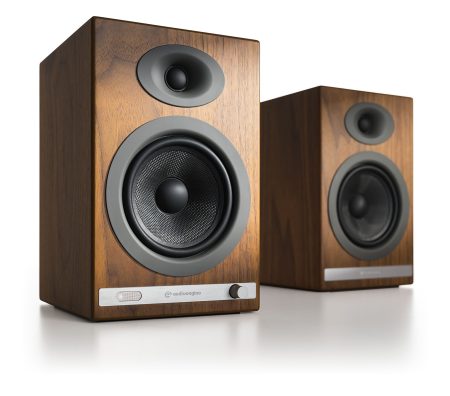
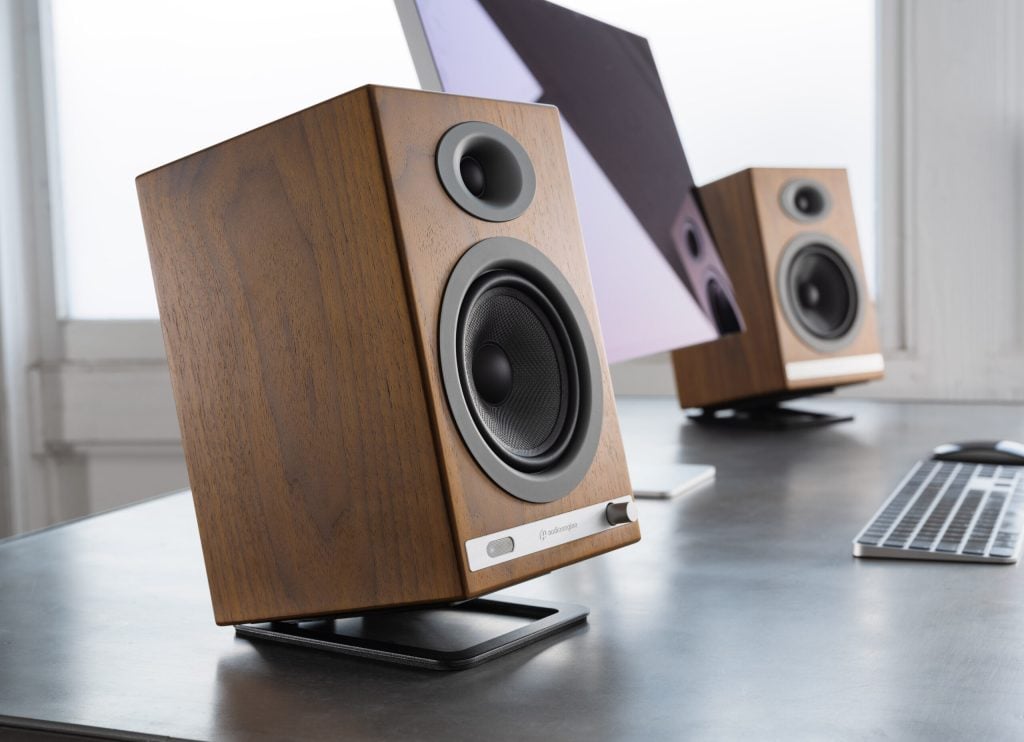
This Halloween, turn up your favorite spooky songs on your Audioengine Home Music System and enjoy the sounds that have kept listeners coming back for generations.