

You’ve picked out your turntable, connected your speakers, and brought home a few records. Now comes the fun part: actually listening to them.
If you’re new to vinyl, you might be surprised to learn there’s a little more to playing a record than pressing a button. From choosing the right playback speed to lowering the needle, a few simple steps can make your first listening experience much smoother.
Don’t worry, we’ll walk you through everything you need to know to get your records spinning.
Understanding Record Speeds: 33 vs. 45 RPM
Before playing your first record, you’ll need to make sure your turntable is spinning at the correct speed.
Most records play at one of two speeds: 33⅓ RPM or 45 RPM. RPM stands for revolutions per minute, which simply describes how many times your record spins in one minute.
So what’s the difference?
- 33⅓ RPM: The most common speed for full-length albums, typically found on 12-inch records.
- 45 RPM: Commonly used for singles and shorter releases, often on 7-inch records. Some full-length albums also play at 45 RPM.
You’ll usually find the correct speed printed on your record’s center label or packaging.
Playing a record at the wrong speed won’t normally damage it, but it’ll certainly sound strange. Too slow, and everything sounds deeper and stretched out. Too fast, and you’ll hear your favorite artists singing at a much higher pitch than usual.
Some turntables also support older 78 RPM records, although these require a compatible stylus and setup.
How to Play Your First Record
Ready to give it a spin? Once your turntable is properly set up, playing a record is pretty straightforward.
Here’s how to get started:
- Place your record on the platter. Gently lower it onto your turntable’s spindle, handling it by the edges and center label.
- Select the correct speed. Check your record’s label and set your turntable to 33⅓ or 45 RPM.
- Start the turntable. Depending on your model, this might involve pressing a button, turning a switch, or moving the tonearm.
- Position the needle. With the stylus guard removed, use the tonearm’s cueing lever to raise the needle and position it above the outer edge of your record.
- Lower the needle. Gently lower the cueing lever and allow the stylus to settle into the record’s lead-in groove.
And just like that, you’re listening to vinyl!
A quick tip: Always use your turntable’s cueing lever when available rather than lowering the needle by hand. It helps prevent accidental drops that could damage your stylus or record.
Some turntables are fully automatic and handle several of these steps for you, so check your model’s instructions before getting started.
What’s With All the Pops and Crackles?
You’ve probably heard people talk about the familiar pops and crackles of vinyl. But should your records actually sound like that?
A little occasional surface noise isn’t unusual, particularly with older records. However, constant crackling, loud pops, or distortion aren’t necessarily something you should accept as part of the experience.
These sounds can have a few different causes:
- Dust and debris: Dirt collecting in the grooves can create unwanted surface noise.
- Static electricity: Static buildup can attract dust and sometimes contribute to audible pops.
- Scratches and wear: Damaged grooves can produce recurring clicks, pops, or distortion.
- Turntable adjustments: Incorrect tracking force or other setup issues can cause skipping or distorted playback.
A properly maintained record played on a well-adjusted turntable can sound remarkably clean and detailed.
If you’re experiencing unusual playback issues, start by checking your record’s condition and making sure your turntable is properly adjusted.
What Happens When Your Record Ends?
Unlike streaming, vinyl requires you to get up and flip the album over when one side finishes.
When your record reaches the end of a side, the needle enters what’s called the runout groove. This groove guides the stylus toward the center of the record, where it may continue circling until you lift the tonearm.
What happens next depends on your turntable.
Manual Turntables: You’ll need to raise the tonearm using the cueing lever, return it to its resting position, and stop the platter yourself.
Automatic Turntables: These can lift and return the tonearm automatically when the record finishes. Some models also start playback for you.
Semi-Automatic Turntables: These typically require you to start playback manually but handle some part of the stopping process for you.
If you have a manual turntable, try to lift the needle reasonably soon after the record finishes. Leaving it running in the runout groove for extended periods adds unnecessary stylus wear.
Once the tonearm is safely returned, flip your record over and enjoy side two!
Making the Most of Your Vinyl Experience
One of the enjoyable things about vinyl is how involved you become in listening. Choosing an album, placing it on the platter, and flipping it over halfway through gives you a reason to spend a little more time with the music.
And once you’ve played a few records, all those little steps start to feel completely natural.
Whether you’re exploring your first collection or revisiting albums you’ve listened to hundreds of times, understanding how your turntable works helps you focus on what matters most: enjoying your music.
Just Getting Started With Vinyl?
Still putting together your first setup? From choosing a turntable to finding the right speakers, our Turntable Purchase Guide makes getting started easier.
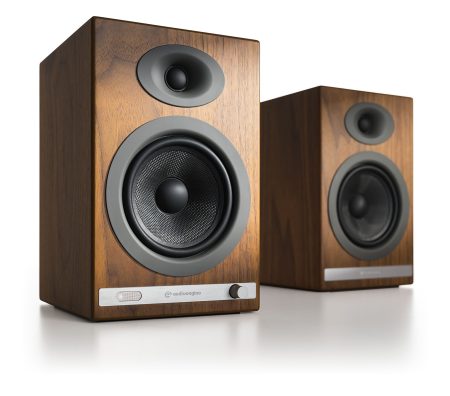
Discover how Audioengine Home Music Systems bring your favorite records to life, with simple connections and great sound right out of the box.