
Memorial Day began after the Civil War, when communities across the country started decorating the graves of fallen soldiers. The holiday was originally known as Decoration Day, a day set aside to honor those who died in war. Over time, it became Memorial Day and expanded into a National Day of Remembrance for all U.S. military personnel who died in service.
Music became part of that remembrance because ceremonies needed more than speeches. A speech can explain history, but music gives people a way to feel its weight. Military bands, church choirs, buglers, and community ensembles helped shape the sound of Memorial Day through parades, cemetery ceremonies, public gatherings, and school programs.
Today, Memorial Day music still serves that same purpose. It gives structure to public remembrance and helps communities honor sacrifice in a way that feels shared, direct, and lasting.
Why “Taps” Still Defines Memorial Day Music
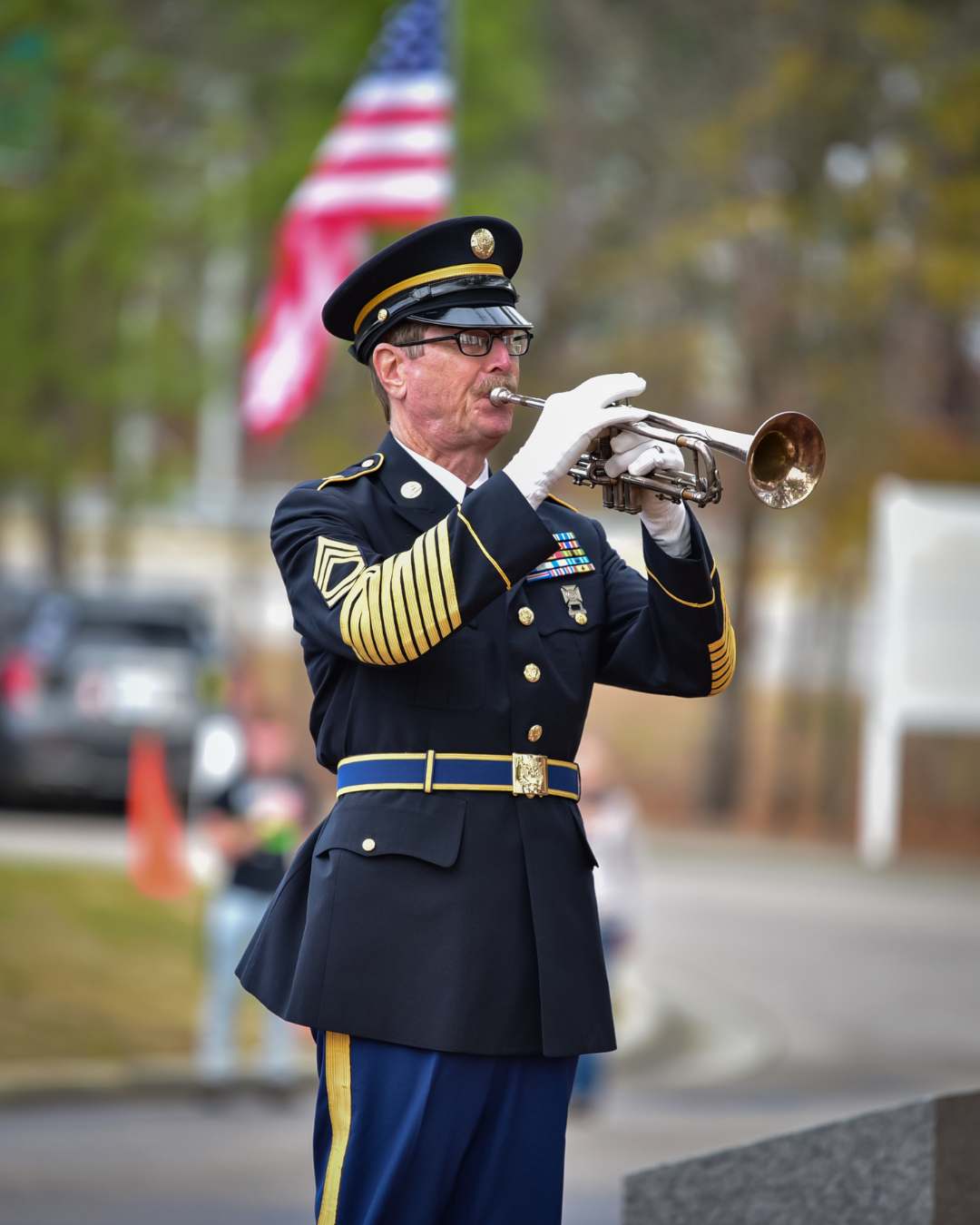
Few pieces of music are more closely tied to military remembrance than “Taps.” The melody is short, simple, and unmistakable. It is often played at military funerals, memorial services, and remembrance ceremonies because it carries finality without needing words.
That restraint is what gives “Taps” its strength. There is no extra decoration. The notes stand on their own, leaving room for silence, grief, and reflection. When played at a Memorial Day ceremony, “Taps” can become the emotional center of the entire event.
For many Americans, that bugle call is the sound of military loss. It reminds people that Memorial Day is not abstract. It is tied to real names, real families, and real service members who never returned home.
Military Marches and the Sound of American Remembrance
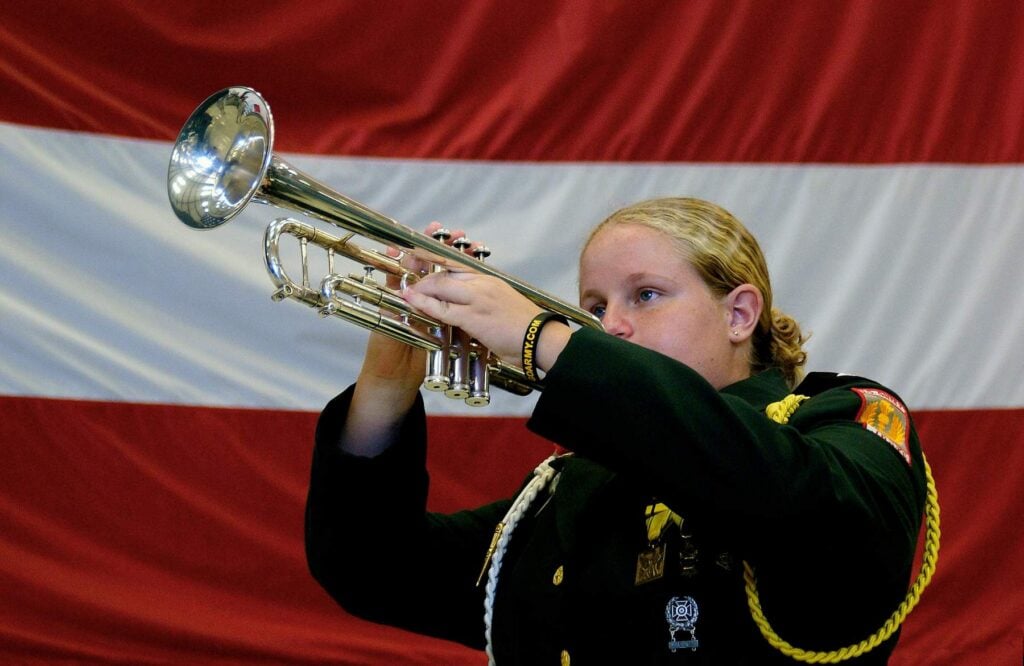
Marches have also shaped how America hears Memorial Day. Brass bands, drum cadences, and patriotic marches have long been part of civic ceremonies, especially in parades and public gatherings. These pieces bring order, movement, and tradition to the day.
John Philip Sousa is the name most people associate with American marches, especially because “The Stars and Stripes Forever” became the official national march of the United States in 1987. His music helped define the sound of American patriotism, but the tradition goes beyond Sousa alone.
One important example is “National Emblem March,” composed by Edwin Eugene Bagley in 1902. The piece is often mistaken as a Sousa composition because it carries the same kind of bold, formal energy many people associate with early American band music. Press Pros notes that Sousa admired “National Emblem March” and considered it one of the most effective street marches. That matters because Memorial Day music is built from many voices, including composers whose names are less familiar, but whose work still carries national meaning.
Music That Honors the Cost of Service
Memorial Day music is strongest when it makes room for the human side of sacrifice. Songs and compositions tied to the military often speak to duty, absence, grief, honor, and the families left behind. Some pieces focus on a specific branch of service. Others reference a particular war, a fallen soldier, or the broader cost of defending the country.
J.W. Pepper highlights several pieces honoring the military on Memorial Day, including band and choral works that draw on “Taps,” service songs, and patriotic themes. These selections are often used by school bands, concert ensembles, churches, and community groups because they help turn remembrance into something people can participate in together.
This is why Memorial Day music works across generations. A veteran may hear one meaning in a military hymn. A child in a school band may understand the day for the first time by learning the music. A family member standing at a graveside may hear something deeply personal in a familiar melody.
Choosing the Right Music for Memorial Day
The best Memorial Day music does not need to be loud or overly dramatic. A lone bugle, a measured drum cadence, a choir, or a well-chosen march can carry more meaning than a crowded arrangement. The goal is not to fill every moment. The goal is to create space for remembrance.
That is also why the National Moment of Remembrance matters. Each Memorial Day at 3 p.m. local time, Americans are encouraged to pause in honor of those who died in service. Music can lead into that silence or follow it, but the pause itself is part of the meaning. It gives the day a center.
Why Music Still Matters on Memorial Day
Music gives Memorial Day a voice that speeches alone cannot provide. It helps communities remember together, whether through “Taps,” a patriotic march, a military hymn, or a choir singing at a local ceremony. These sounds connect the past to the present and remind people that remembrance requires attention.
Memorial Day music carries grief, pride, history, and respect in a way that feels direct. Long after the ceremony ends, people remember the sound of the bugle, the steady pace of the march, or the quiet that followed the final note.
That is the power of music on Memorial Day. It helps a country keep faith with those who gave everything.