
After years of delays and speculation, Spotify has finally released lossless audio streaming. This long-awaited feature is now rolling out to Spotify Premium subscribers and allows users to stream music in 24-bit FLAC quality, a huge upgrade from the typical compressed formats. Lossless audio was first teased in 2021, but it took four years before it became a reality. As of September 2025, Premium users in select markets can stream nearly the entire Spotify catalog in lossless quality, with wider availability expected soon.
So, what is lossless audio, how does it work, and what do you need to hear the difference?
What Is Lossless Audio?
Lossless audio is a type of digital audio file that preserves the entire original recording without any loss of data or quality. When you stream music in MP3 or AAC format, the audio is compressed, which means parts of the original waveform are removed to reduce file size. This works fine for casual listening but sacrifices detail, dynamics, and texture.
In contrast, lossless formats like FLAC (Free Lossless Audio Codec) retain every bit of the original signal. Nothing is discarded. This makes the playback more accurate, with better clarity and cleaner sound, especially noticeable in well-recorded tracks.
Spotify is using 24-bit / 44.1 kHz FLAC, which is higher than CD quality in terms of bit depth. Bit depth affects how well a recording handles volume dynamics, and 24-bit audio can capture quieter details and louder peaks more precisely than the 16-bit standard used in CDs.
Why Does Lossless Audio Matter?
More Detail, Better Dynamics
With lossy formats, subtle details get lost. In a compressed song, things like reverb tails, background instruments, and vocal texture can sound muted or washed out. Lossless audio brings these elements forward, making the music feel more present and alive.
No Compression Artifacts
MP3 and other lossy formats often introduce digital artifacts. These include issues like aliasing, pre-echo, and frequency masking. These artifacts can make cymbals sound harsh or crowd the midrange. Lossless audio avoids these problems entirely.
Makes a Difference on Quality Equipment
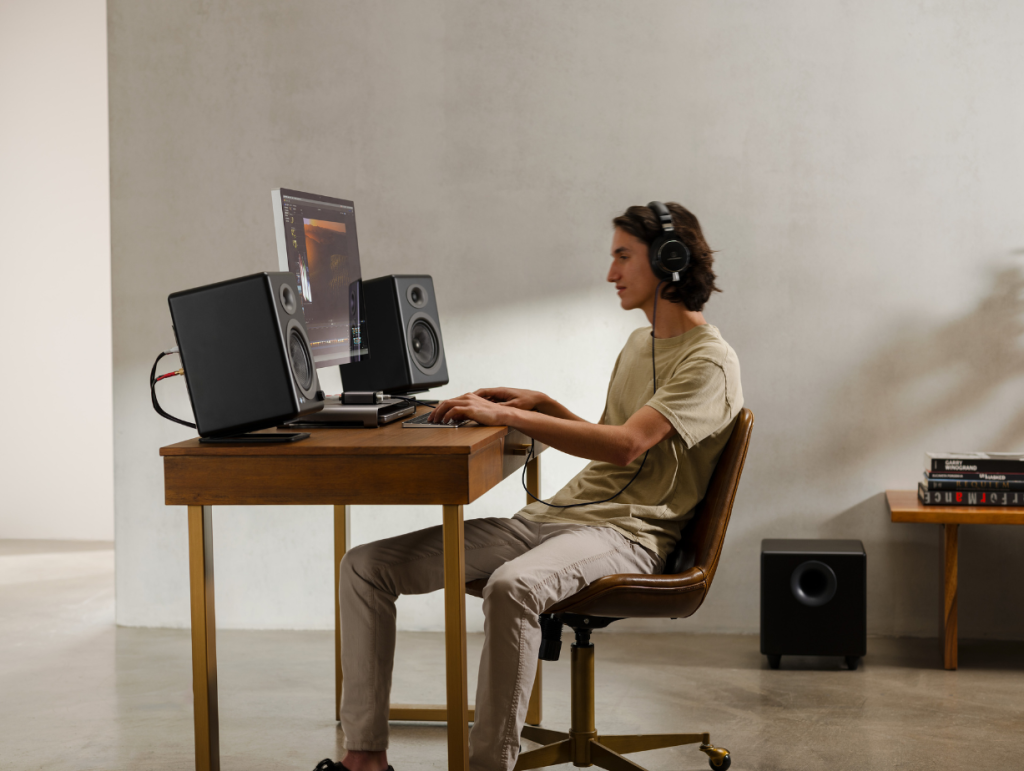
If you’re using high-end headphones, desktop speakers, or a DAC, lossy formats are a bottleneck. The gear can only perform as well as the source. With Spotify lossless, you’re finally feeding your system a signal that lives up to its potential.
Consistency Across Devices
Lossless audio means you get a consistent sound regardless of how you’re listening. Whether you’re using Spotify Connect, the Spotify desktop app, or any device with wired output, lossless files provide a stable, high-quality baseline.
How to Get Spotify Lossless Audio
To enable lossless streaming on Spotify, you’ll need an active Spotify Premium subscription. Then:
- Open your Spotify app
- Tap your profile icon in the top left.
- Go to Settings & Privacy → Media Quality.
- Select where you want to enable lossless audio: Wi-Fi, cellular, downloads.
You may also see a lossless icon next to tracks that support the new format. Not every region has full access yet, but Spotify is actively rolling out support across North America, Europe, and Asia throughout fall 2025.
*You will need to enable Lossless manually on each device. You’ll know Lossless is on because the Lossless indicator will appear in the Now Playing view or bar, and via the Connect Picker.
What about Bluetooth?
Bluetooth is incredibly convenient, but it has bandwidth limits that prevent it from sending full lossless audio. Even with advanced codecs like aptX adaptive or LDAC, Bluetooth has to compress the signal before sending it wirelessly. This compression means you are not hearing the complete original file, even though the sound quality can still be very good, and for most, unnoticeable without upgraded gear like Audioengine.
To experience Spotify’s new 24-bit FLAC lossless audio at its full potential, you need to use a wired connection, such as USB or optical. A wired connection has the bandwidth to deliver the entire digital file without compression, preserving every bit of detail in the music.
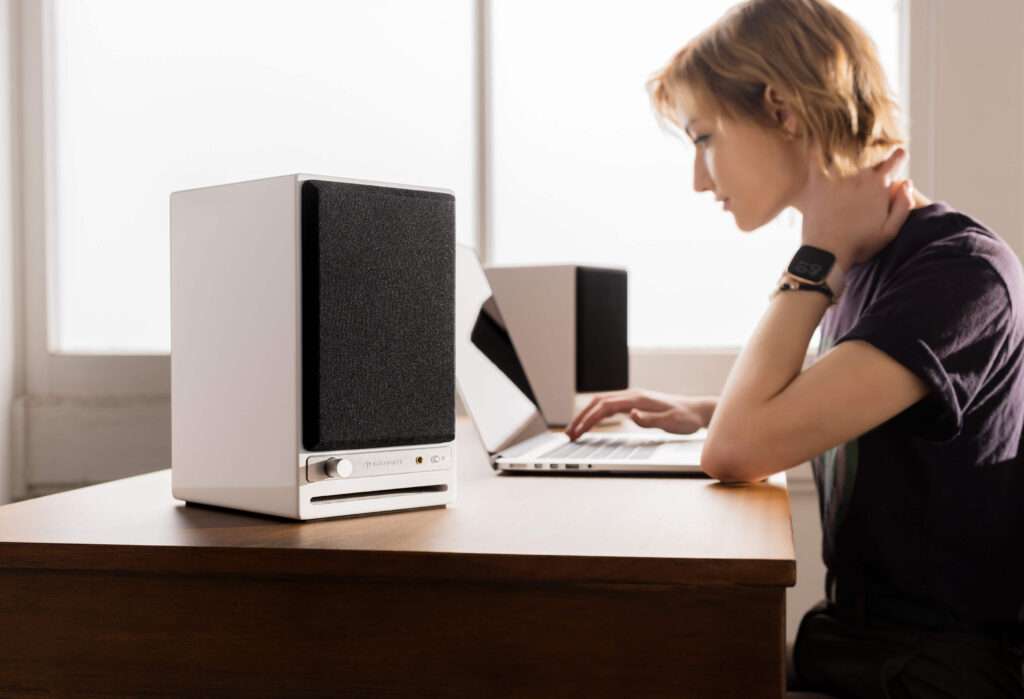
Once the lossless file reaches your gear, it must be converted from digital to analog before you can hear it. This is done by a DAC (Digital-to-Analog Converter). Many computers and phones include basic DACs, but they are often limited in quality or resolution. The DAC inside Audioengine Home Music Systems is designed to fully support 24-bit lossless audio, so it can handle the entire signal without any degradation.
This means that when you stream lossless music from Spotify to an Audioengine system over USB or optical, you are hearing the exact same data that came from Spotify, translated into clean, accurate sound with no missing detail. Bluetooth remains a great everyday option, but if you want to take full advantage of Spotify lossless, a wired setup makes all the difference.
What Gear Do You Need for Lossless Audio?
To actually hear the difference, you need gear that can reveal those improvements. That includes:
- A DAC (digital-to-analog converter) that supports 24-bit FLAC
- High-quality headphones or powered speakers
- A stable internet connection if you’re streaming over Wi-Fi
Many smartphones and laptops include basic DACs that are fine for everyday listening but can’t fully reveal the detail in a lossless file. A better DAC or desktop amp will make a noticeable difference.
How Audioengine Gear Makes Lossless Worth It
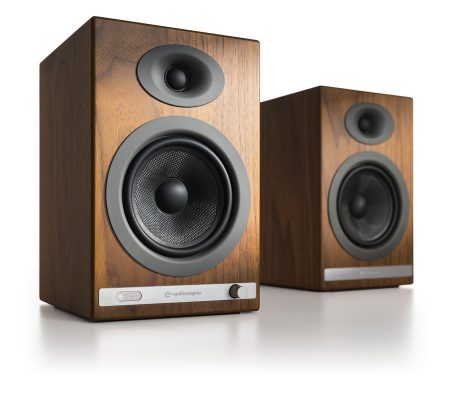
Spotify lossless is only as good as the system you play it on. Audioengine’s Home Music Systems are built with premium internal DACs, Class A/B analog amplification, and handcrafted enclosures designed to deliver clean, powerful sound. This makes them a natural match for lossless audio. You don’t need an external DAC to benefit. Whether you’re listening via USB, optical, or Bluetooth aptX adaptive, Audioengine products are tuned to handle high-resolution audio and preserve the full detail of your streaming source. When you play FLAC files from Spotify, you’ll hear more separation, more depth, and tighter bass response.

Spotify Lossless: Is It Worth It?
For casual listeners using wireless earbuds or smart speakers, the difference might be subtle. But if you value high-quality audio or already own good gear, Spotify lossless is a game-changer. It brings Spotify in line with competitors like Apple Music and TIDAL, and gives serious listeners a reason to stay in the ecosystem.
Lossless audio isn’t just about hearing more. It’s about hearing accurately. If the artist put it into the recording, lossless ensures you actually hear it. It’s the closest most people will get to studio-quality playback in a streaming format.
Final Thoughts
Spotify lossless audio is not just a nice-to-have feature. It’s a major upgrade for anyone who takes music seriously. Whether you’re listening on a desktop setup, wired headphones, or through a premium Home Music System, switching to lossless can make every track feel more open, textured, and dynamic.
Now that Spotify has joined the ranks of streaming platforms that offer lossless, it’s worth re-evaluating your audio setup. Clean signal, quality conversion, and accurate playback will let you actually hear the benefits of the higher-quality files.
If you’re ready to hear your favorite tracks like never before, make sure you’re using gear that does them justice.