
St. Patrick’s Day Music: The Irish Traditions Behind the Celebration
Every year, the world turns green for a day to honor Ireland’s patron saint, St. Patrick. This global celebration stretches far beyond the Emerald Isle shores, bringing Irish culture, music, and tradition into cities and homes around the world. But what lies at the heart of the music and traditions that define Irish culture?
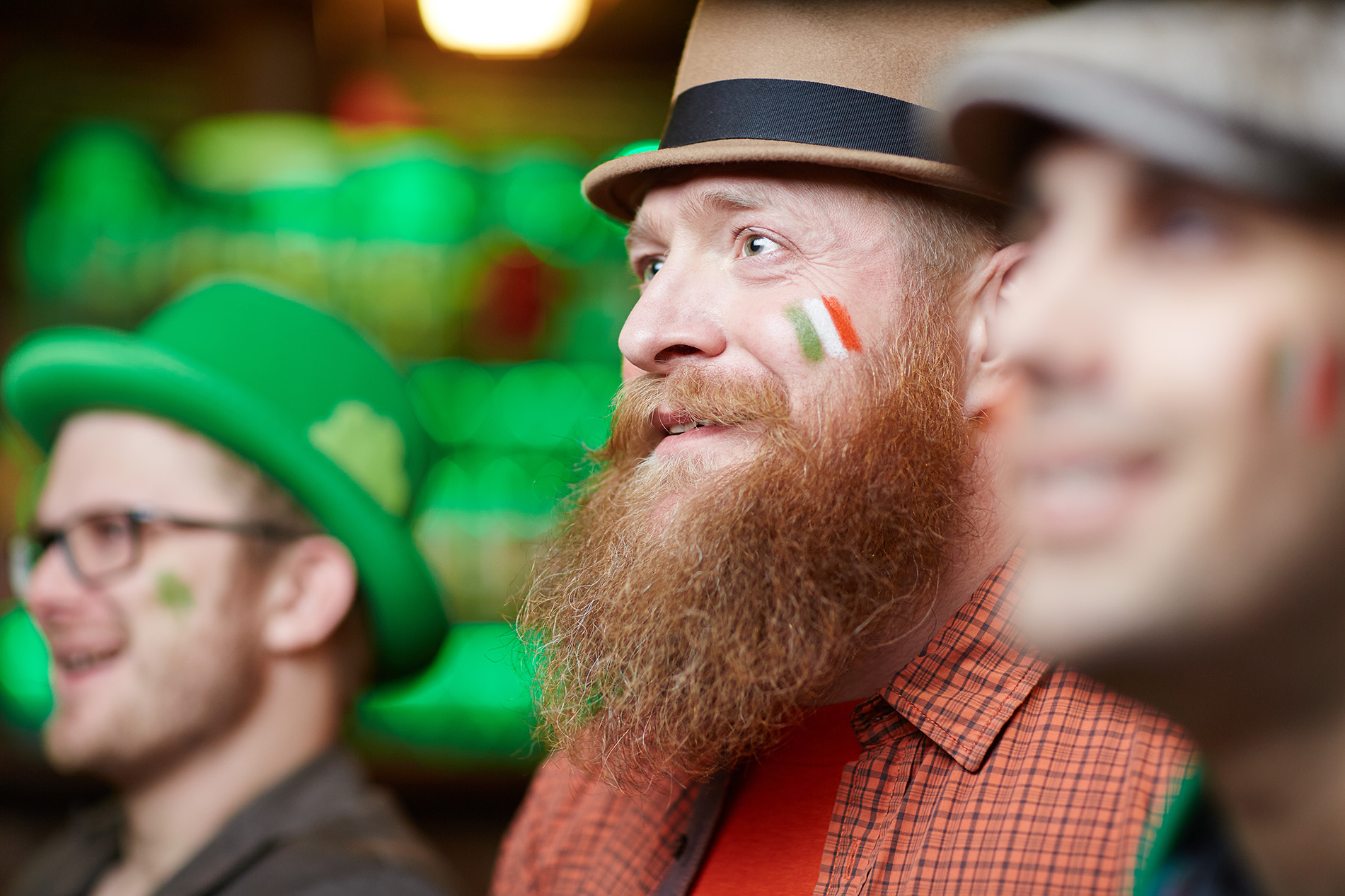
What began as a religious feast day has grown into a proud display of Irish heritage. Streets fill with parades, people wear green to symbolize Ireland’s lush landscape, and communities gather to share food, stories, and music. Traditional Celtic folk music has always stood at the center of the celebration. Long before large public parades became common, communities gathered in pubs, homes, and village halls to play traditional Irish tunes.
Irish Pub Sessions and Folk Music Culture
These gatherings, often called sessions, brought musicians together around fiddles, tin whistles, uilleann pipes, bodhráns, and accordions. The songs played during these sessions carried stories passed down through generations. Ballads told of migration, rebellion, love, hardship, and humor. Music served to preserve history during periods when Irish culture faced political pressure or displacement. A simple tune played in a crowded pub could hold centuries of shared memory.

A defining part of Irish folk music comes from the instruments that shape its sound. Many of these instruments have been played in sessions for generations and remain central to traditional performances today. The fiddle often carries the melody, delivering the quick, lively phrases heard in reels and jigs. The tin whistle provides a bright, clear tone that cuts through a crowded room, while the uilleann pipes produce a rich, layered sound unique to Irish music. Rhythm comes from the bodhrán, a hand-held drum that drives the tempo of many traditional tunes. Instruments such as the accordion and concertina add depth and harmony, filling out the sound of a session.
Reels, Jigs, and Irish Dance Traditions
Dance also plays a major role in the St. Patrick’s Day tradition. Reels, jigs, and hornpipes create the rhythmic backbone of Irish folk music, each defined by its own tempo and structure. The lively pulse of these tunes naturally invites movement, which is why step dancing and céilí dancing became central parts of Irish celebrations. During St. Patrick’s Day festivities, these dances often accompany live music, creating a communal atmosphere.
Irish step dancing is known for its precise footwork and upright posture. Dancers keep their upper body relatively still while their feet move quickly through complex patterns that match the rhythm of the music. This style became widely recognized through stage performances and competitions, though its roots trace back to traditional community gatherings where dancers showed skill and timing alongside live musicians.
Céilí dancing takes a more social approach. These dances are performed in groups, often in circles, lines, or squares, allowing many people to participate at once. The movements follow repeating patterns that match the structure of reels and jigs, making them easy to learn for newcomers while still lively for experienced dancers. Because of this shared format, céilí dancing often becomes one of the most welcoming parts of a celebration, inviting everyone to join the floor and move to the music.
For those interested in exploring the history of Irish music in greater depth, the Irish Traditional Music Archive serves as one of the most important resources for traditional Irish culture. Based in Dublin, the archive preserves thousands of recordings, photographs, manuscripts, and historical documents that trace the evolution of Irish music across generations. Its collection offers a deeper look into the musicians, instruments, and traditions that continue to shape Irish folk music today.
Example of Irish Step Dancing
Modern Irish Music and Global Influence
Another defining trait of Irish musical culture lies in its accessibility. The music does not require a stage or formal concert hall. A group of musicians can begin playing almost anywhere, whether inside a packed pub, a family living room, or at a street festival. That openness has helped the tradition survive for centuries.
Today, Irish music continues to carry strong cultural relevance. Traditional melodies remain widely played, though modern artists often reinterpret them through contemporary styles. Folk, rock, indie, and even electronic music borrow elements from classic Irish instrumentation and rhythm. Bands such as The Dubliners helped popularize traditional songs internationally, while groups like The Chieftains preserved instrumental traditions and introduced them to global audiences.

Where to Experience St. Patrick’s Day Celebrations
St. Patrick’s Day goes far beyond just a pint of green beer. This worldwide celebration is a great excuse to get out and experience live music, with celebrations happening all around. In Dublin, the city celebrates all week with parades, concerts, and festivals. In Chicago, the river famously turns bright green. In New York, the largest St Patrick’s Day parade marches down Fifth Avenue, drawing crowds from around the world.
These celebrations capture the spirit of the holiday, though you do not need to be in one of these major cities to take part. Local communities across the country host their own parades, pub sessions, and musical gatherings. If you are not near the biggest celebrations, step out and find a local one nearby. Most are welcoming, full of live music, and built around the same sense of community that defines Irish tradition. Show up, enjoy the music, and you might just catch a little of the luck of the Irish.
Listen to our St Patrick’s Essential Playlist: