
Yes Electrical Isolation does, and here’s why it’s worth paying attention.
When people talk about sound quality, they often jump straight to the speakers or headphones. But what happens before the sound reaches them is just as important. Electrical isolation, the practice of keeping audio signals separated from noisy electrical environments, is one of the keys to making sure your music comes through clean, detailed, and free from distractions.
There are two big areas to focus on: how the gear itself handles isolation, and how outside interference can creep into your setup.
Inside the Gear: Why Component Isolation Matters
Audio signals are delicate. They’re carried as electrical waves, and just like ripples in water, they can be disrupted when other waves cross paths. Inside a typical computer motherboard, for example, audio has to live alongside processors, graphics chips, memory controllers, and cooling fans, all of which produce their own waves of electrical noise. When those mix, it creates distortion: hums, static, or simply a loss of clarity.
That’s why having audio components isolated from noisy electronics makes such a difference. Take DACs as an example. A DAC that’s part of your computer’s motherboard has no way to escape the electrical chaos around it. By comparison, a standalone DAC, or one built directly into a Home Music System like Audioengine’s, converts the signal in a dedicated, shielded space. That separation prevents unwanted electrical waves from smearing the details of the music.
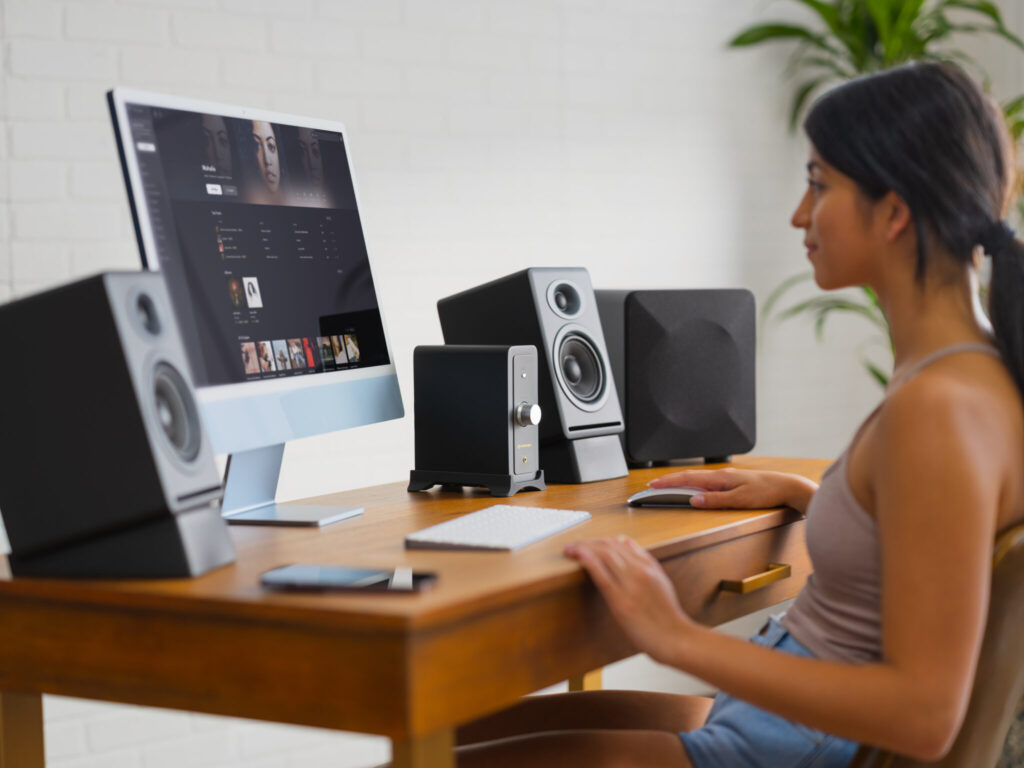
Amplifiers follow the same logic. Our N22 Desktop Amplifier isn’t trying to multitask as a computer hub or media center. It’s purposely built for one job: driving passive speakers cleanly. Isolating the amplification stage and keeping the circuit layout simple and shielded it avoids the electrical clutter that can creep into all-in-one devices. The result is power that’s strong and quiet at the same time.
Outside the Gear: How Electrical Interference Sneaks In
Even if your equipment is well-designed, interference from your environment can still impact sound. Everyday electronics, power strips, Wi-Fi routers, phone chargers, and especially large appliances, generate electrical noise. When that noise runs along the same lines as your audio equipment, it can bleed into the signal path.
A simple way to hear this in action is with Bluetooth headphones near a microwave. As soon as the microwave fires up, the sound cuts out or distorts. That’s interference on full display. The same kind of thing can happen in wired setups, only it shows up as background buzz, static, or faint distortion layered over your music.
Power strips are another common culprit. Many cheaper models don’t filter or isolate outlets, which means a noisy device plugged in alongside your gear can pass that noise straight through. Even something as basic as routing audio cables too close to a power supply can create ripples that affect the signal.
This is why shielded cables exist. The extra layer of conductive sheathing around the wire helps block radio frequency (RF) and electromagnetic interference (EMI). Proper grounding and physical spacing between components also play a role, making sure those outside electrical “waves” don’t overlap with the audio waves you actually want to hear.
Why Isolation Matters for the Details
Electrical noise isn’t always obvious. Sure, sometimes it shows up as a loud hum or a high-pitched whine, but more often it’s subtle, just a loss of sharpness. Vocals may sound veiled, cymbals may blur together, bass may feel less defined. These changes are easy to miss until you compare an isolated setup to a noisy one. Then the difference becomes clear.
The goal of electrical isolation isn’t just eliminating distractions; it’s preserving the distinct qualities of the recording. The quiet spaces between notes, the breath of a singer, the shimmer of guitar harmonics, these details all rely on a clean signal path.
How Audioengine Approaches Isolation
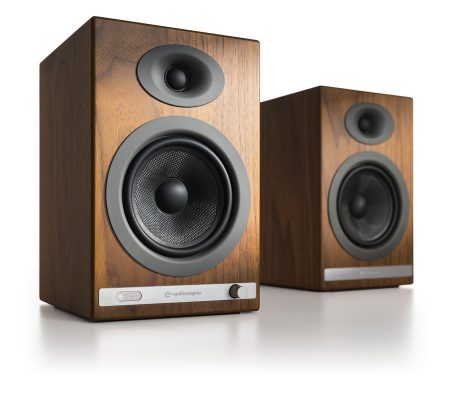
At Audioengine, we build Home Music Systems with electrical isolation at the core. Our speakers feature built-in DACs designed to bypass noisy computer motherboards, ensuring the signal starts clean before it ever gets amplified. We use real-wood cabinets not just for aesthetics, but also because they provide natural shielding and resonance control.
For more customized setups, the N22 Desktop Amplifier gives music lovers a powerful but simple way to drive passive speakers without introducing unnecessary noise. Pair it with quality sources and shielded cables, and you’ve got a setup that rejects interference from the start.
We don’t add apps, logins, or unnecessary circuitry that can create extra pathways for interference. Instead, we focus on the fundamentals: clean signal conversion, proper isolation, and direct connection to your music.
The Takeaway
Electrical isolation absolutely affects sound quality, both in how gear is designed and in how it interacts with its environment. Sounds are waves, and so are the unwanted electrical signals that compete with them. Keeping those waves from colliding is what makes the difference between a noisy setup and one that lets your music shine.
The next time you hear a faint buzz or distortion; remember it’s not just about turning up the volume. It’s about keeping the noise out in the first place.