
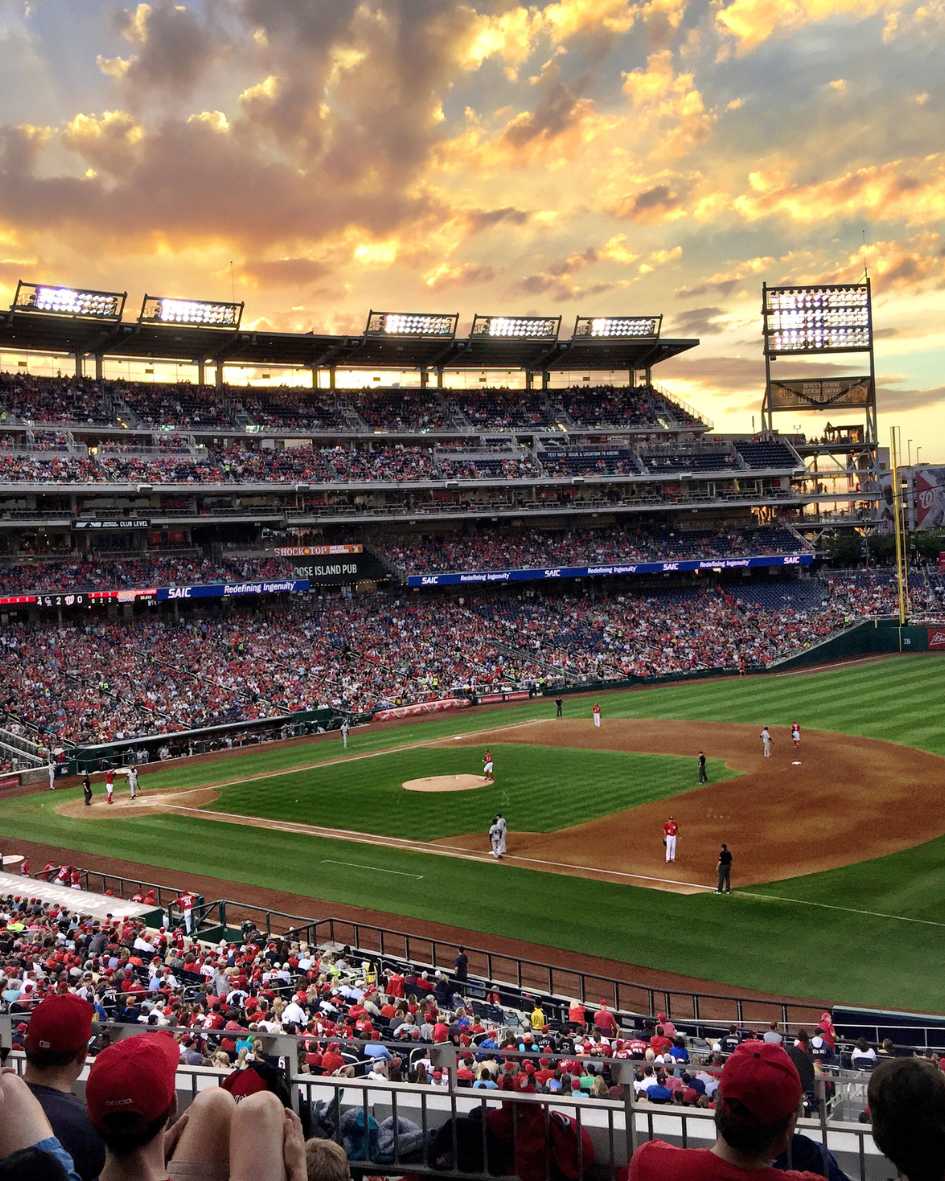
Baseball has always had a sound. The crack of the bat, the snap of a fastball into a catcher’s mitt, the low murmur of a crowd waiting for the next pitch. Some of the most important sounds in baseball history come from the stands, the organ booth, the public address speakers, and the songs fans carry home after the final out. The history of baseball and music goes deeper than walk-up songs and seventh-inning stretch singalongs. It is a story about identity, pressure, celebration, ritual, and the way a ballpark can turn a song into part of a team’s culture.
The Early Sound of Baseball
Music has been tied to baseball since the 1800s. According to the National Baseball Hall of Fame, “The Base Ball Polka” was played at games of the Niagara Base Ball Club as early as 1858. Long before stadium sound systems, fans bought sheet music, organized group singing, and used music the same way supporters use chants today: to rally their team, needle the opponent, and give the crowd something to share.
By the late 19th century, brass bands had become part of the ballpark scene. Before World War II, teams began hiring organists, giving baseball a sound that became instantly recognizable. The organ filled the natural pauses of the game, reacting to a stolen base, a strikeout, a pitching change, or a moment when the crowd needed a cue.
Baseball gives music room to work. Between pitches, mound visits, warmups, and inning breaks, songs can slip naturally into the rhythm of the game without fighting the action on the field.
“Take Me Out to the Ball Game” and the Rise of the Baseball Singalong
No song is more closely tied to baseball than “Take Me Out to the Ball Game.” Written in 1908 by Jack Norworth and Albert Von Tilzer, it became the unofficial anthem of the sport. The Hall of Fame notes that by 1946, the song had become a regular part of the seventh-inning stretch, turning a simple tune into a shared ritual across generations.
The song gives fans a role inside the game. Baseball has always been shaped by the people in the seats through singing, clapping, booing, chanting, and carrying traditions from one season to the next.
Harry Caray helped make the seventh-inning singalong even more famous. He began singing “Take Me Out to the Ball Game” as part of his act in 1976 while working for the White Sox, then brought the tradition to Wrigley Field when he joined the Cubs in 1981. After his death, guest conductors kept the ritual alive, giving fans another reason to join in whether the person holding the microphone could actually sing or not.
The Organist as Baseball’s First DJ
Before recorded walk-up songs, the organist served as the ballpark’s live music director. The best organists understood timing, crowd mood, player quirks, and the humor of the game. A sharp musical cue could celebrate a hit, tease a visiting player, or keep fans locked in during the slower stretches.
Nancy Faust, who joined the Chicago White Sox in 1970, helped change what ballpark music could be. MLB notes that Faust listened to broadcaster Harry Caray during games, picked up baseball slang, and used the organ to respond to what was happening on the field. She began matching songs to players, personalities, and moments, creating an early version of the walk-up song.
That shift gave music a sharper role inside the game. A player could be introduced by a musical joke, a character cue, or a theme that fans learned to recognize. PBS SoCal also credits Faust’s approach as a major step in the evolution of the walk-up song, noting how player-specific music began as clever organ selections before recorded songs took over.
From Organ Cues to Rock, Rap, and Walk-Up Songs
Recorded music started changing baseball in the 1970s and 1980s. The Hall of Fame points to the Orioles using rock music in 1975, while improved sound systems and large scoreboards helped push ballpark entertainment toward a louder, more produced style. The Dodgers were early leaders in massive scoreboard presentation, which changed how sound, video, and crowd energy worked together.
By the 1990s, walk-up songs became personal. The Seattle Mariners were experimenting with recorded music for players by 1990, first using short instrumental hooks and theme-based clips. MLB reports that by 1993, every Mariners player had music tied to his at-bat. Teams picked many of the early songs, but players eventually wanted control over what played before they stepped into the box.
That control gave the walk-up song real meaning. It became a player’s calling card, signaling confidence, hometown pride, humor, faith, aggression, or superstition. Derek Jeter requested Montell Jordan’s “This Is How We Do It” before his first Yankee Stadium at-bat in June 1995, a moment PBS SoCal highlights as part of the walk-up song’s move into mainstream baseball culture.
Closers pushed the idea even further. Mariano Rivera entering to Metallica’s “Enter Sandman” turned a bullpen walk into theater. Trevor Hoffman’s connection to “Hell’s Bells” gave fans a cue before the first pitch of the inning was thrown. The right song could build tension before the pitcher reached the mound.
Why Music Works So Well in Baseball
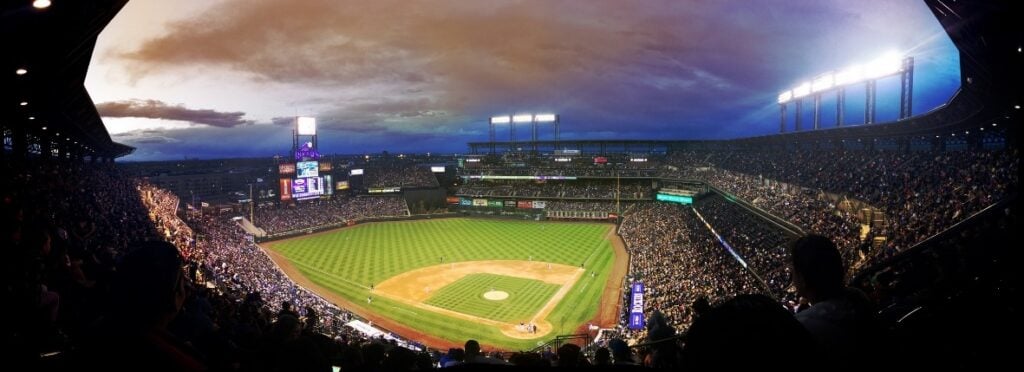
Baseball gives music space to breathe. The pace of the game creates tension, silence, and release, which lets a song hit at the exact right moment. A few seconds of music can change the feel of a stadium before a big at-bat, a ninth-inning save chance, or a rally with runners on base.
That is why team anthems stick. “Sweet Caroline” at Fenway Park, “Thank God, I’m a Country Boy” in Baltimore, “New York, New York” at Yankee Stadium, and “Centerfield” across ballparks all create shared memory. They turn thousands of separate fans into one voice.
Music also helps fans understand players beyond statistics. A walk-up song can show attitude, roots, humor, mood, or ritual in a way a batting average cannot. For fans, that short clip can become part of how they remember a player.
The Game Still Has a Soundtrack
The history of music in baseball follows the sport’s growth from neighborhood pastime to modern stadium spectacle. It began with sheet music, brass bands, and fan singing. It grew through organists who could read the crowd and match the mood of the game. It expanded through rock, hip-hop, country, metal, reggae, and pop blasting through modern stadium speakers.
Baseball does not need constant noise to make people feel something. The sport has always used silence, anticipation, and sound in a way that makes music feel earned. A song can bring back a summer night, a playoff rally, a father and son in the cheap seats, or the exact second a closer stepped out of the bullpen and the whole stadium knew what was coming.
The song ends, the inning moves on, and the sound stays with the people who were there.